The unseen sweetness in healing

From my desk I can look out onto the roof of my porch. It’s an old house, and there’s big divot in the porch roof—which fills with water each time it rains. And this spring there’s been a lot of rain. The landlord knows about it and it’s on his list, but for now, it may be the best and biggest rooftop birdbath in town. There are a constant stream of birds perching and bathing –which routinely distracts me during my Zoom meetings. And this morning as I sit at my desk and gather my materials for a work trip there are a pair of goldfinches sipping and bathing in equal measure. The sunlight makes their yellow even brighter. A mourning dove takes up the opposite corner.

In something that is considered broken, so much beauty can happen. The porch roof is something that will need to get fixed and mended—and when this happens it will be considered ‘better’ than it is now. But when the roof is eventually fixed, and no longer holds water, I will miss the birds.  

There were many years when all I could see or feel were my flaws. I can remember painful moments of despair during stretches of healing.  I felt hurt or broken. Awkward. And I was really aware of thing things I couldn’t yet do. Aware of the things that still felt too hard.

I felt raw. Sore. Like every one of my nerve endings was exposed. I used to say that I felt like I wasn’t wearing skin. I sometimes felt like my arms and legs weren’t attached.

It was hard to feel so much at once. But at the time, all that feeling was also a superpower. When I could hang on to it, it helped me listen to others—listen to the words and listen to their hearts.  As a psychologist-in-training it motivated me to learn—to understand how to build and re-build a self. How to build and re-build attachment. How to heal. How to grow. I worked as many shifts as I could. I read as many books and studies as I could. If I was adrift in a sea of hurt, I was going to learn how to swim so that I might get out—so that I might help others get out too.

But I didn’t heal in a big ocean. I healed in the equivalence of a birdbath—which is what therapy can feel like. You perch precariously on the edge—frightened. And you start by sticking a toe in tentatively. You dip your beak in. You brave ruffling your feathers. And when it’s all too much, you take shelter nearby, only to return and try again.

The thing about being really hurt is that the smallest acts can feel like such a big success. The moment you ask for tea. The moment you say the thing you want to say and not what you think someone wants to hear. The moments you are brave enough to listen to your own silence or tolerate another’s. And the fabulous moments of surprise when you can let yourself play, just a bit, with the part of yourself you have been working so hard to hide.

Healing is a process, and not an event. I am still working to heal, but much of the early pain and despair has been replaced with a mixture of sturdiness and elasticity—two things I couldn’t have imagined at that time. But with this gain has come some loss. My superpowers have shifted.  I can’t hear all of the frequencies of hurt the same way I did then—and I know that for better or worse my empathy isn’t the same as it was. And in my healing, the small moments of delight in being able to do things for the first time have changed. The work is challenging in different ways. I now take so much for granted that I can miss the actions that would have seemed impossible then.

It's easy to think of repair—of healing—as universally positive. And so much of it is. But healing also comes with loss. A bittersweet loss. It’s easy to confuse the healing of trauma with the trauma itself because you are untangling yourself from the trauma while you are healing from it. But healing isn’t trauma. And when it is done well, it has a sweetness and a tenderness that it hard to see when you are in it.

I don’t miss the painful aspects of those days. But sometimes I do miss how much I could feel the edge of my bravery—and how much I could feel and hold that in others. How acutely I could hear emotion and how attentive I was to the layers of healing. Like the two sparrows now bathing in the sun. Feeling the sun and the wind on their feathers—completely unaware that the beauty they are enjoying comes directly from brokenness.

©2024 Gretchen L. Schmelzer, PhD
The Beauty isn't Separate from the Mess


A mourning dove perches low

sunlight gold on cold stone,

while rock sleeps, the faithful wait

for a sign of life below.

Hide and seek, lost and found--

spring’s miracles are waiting games

—but really, who has forty days

to pray to the frozen ground?


I now move too slow,

like everything, I am learning to walk

again, or is it the first time?  

Quietly growing new bones.

The old gods never had patience-- but I

learned to wrap myself in persistence—

my grandmothers called it love—

and on this cold morning on my

walk at the edge of the path, I was blessed--

through scattered leaves and winter flotsam

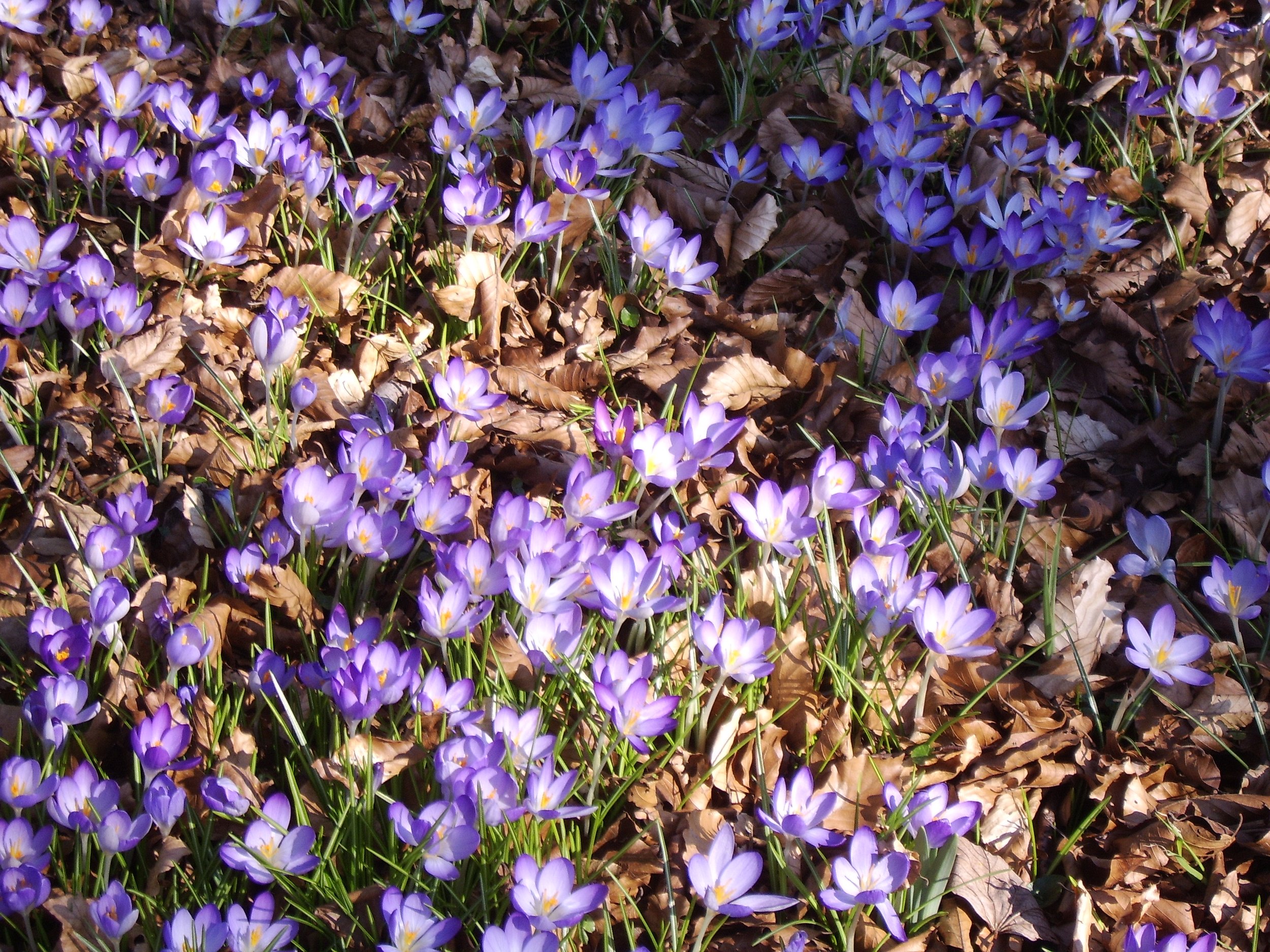
with a purple crocus—reminding me that

the beauty isn’t separate from the mess.


©2024 Gretchen L. Schmelzer, PhD


One Acorn. One Tree. Small Change. Big Change.

The creation of a thousand forests is in one acorn
— Ralph Waldo Emerson

Out of small things, big things grow. Out of one small change, many changes can come. Healing happens because you say one word, you make one move, you try one more time. An acorn produces an oak, which in a good year can produce 70,000 – 150,000 acorns. One seed. One tree. Exponential change.

 Exponential change. But not immediate change. Oaks take a long while to grow. They are lovely young trees, but you don’t get the full effect for at least a decade, sometime two. But they are growing every day. And it is hard to remember that we are growing everyday too. It can be so hard to see.

 One seed. One new behavior. One new belief. One act of faith. And faith in trying something new. Faith in your own voice. Faith in the world to hold you and nourish you as you grow. The beginning act is so small, but it is with an eye to something bigger. An eye to something that will take hold, will root, will reach all the way to the sky.

 One seed. One acorn. When it takes root, it is an oak. Maybe a few acorns. Maybe a few oaks. Here’s the thing you can’t imagine: these changes combine. They mingle. The become something new. These acorns grow. They become a forest. They change the landscape. They change the ecosystem.

 Many years ago I braved asking for a cup of tea. It was a form of help I could ask for. And today when I was stuck, I called a colleague for help on a work problem. Asking for tea was the first acorn I planted. Today’s request was one of her many seeds. It is slow and nearly invisible work to change the way we behave, to change the way we protect ourselves in the world. But it is not small work. It is life changing work. It is landscape changing work. Plant one new acorn. Make one new change. Your inner landscape will never be the same.

 © 2024/2015 Gretchen L Schmelzer, PhD

To be defeated by bigger and bigger things

Rilke said that the purpose of life is to be defeated by bigger and bigger things.  And there are just some nights, like this one, where this feels truer than others. I don’t mean that the past week was bad. I mean that it was a week where I threw myself out into the waves and got rolled around a lot. Where I had to try new things, and old things. Where I had the opportunity to learn and make some new mistakes. And I did. I made some beautiful mistakes.

But I also know that it wasn’t just the challenges that got me. When Rilke talked about the bigger things defeating us—he meant the bigger challenges, our bigger visions, our dreams. He meant we are supposed to run up against ourselves—our bigger natures. Run up against things the way the water ran upon rock and created the Grand Canyon. If we are defeated by bigger and bigger things we become more of who we are. But some weeks, the bigger things that defeat me aren’t bigger, they are just meaner. They are the mean voice that I can use on myself that I have previously called “Bad Dog.” Where no move I make is right and I just can’t seem to let myself off the hook.

The problem with letting meaner things defeat us, rather than bigger things, is that meaner things keep us small. Meaner things aren’t interested in our bigger natures. They are the wild hounds of shame, meant to scare us back into our hiding places, back behind our walls. Meaner things are the guardians of the old rules—the ones you once had to live by.

Meaner things don’t help us learn, they don’t help us grow, they don’t help us heal. The voice, the stance, the belief that helps us heal and grow is kind. It is nurturing. And it is firm. It isn’t nice: It’s constant. It isn’t coddling: It’s coaching. It seeks to have us defeated by bigger and bigger things so that we can grow into the selves we can become.

Many years ago I watched my nephew play indoor soccer. He and the other boys just kept at it, whether they got it right or not. Whether they made the goal or not. Whether they defended the goal or not. But what was even more striking was the way the coach called to them. He did it by calling their name. Then saying one or two words, “Look up” or “Quick.” He called words of encouragement “Good!” Or “Nice attempt!” Nothing he said was longer than five words. He caught their attention. Said what he had to say and the boys played on.

It was such a reminder that the antidote to the meaner things isn’t big. It’s small. It’s one or two word reminders to break through the old story, the old wave of emotion. It’s the inner coach on the sidelines helping you stay focused on the new game, on the new team, on the bigger things.

I learn this. And then I forget this. I write this. And then I forget this. I TEACH this and I still forget this. The meaner things always try to sucker you in to long detailed arguments of your flaws. Beware! Don’t engage them. Follow the wisdom of my nephew’s coach: get your attention. And coach yourself in no more than five words. The shorter the better.

You’ve got this. That’s how you learn. You’re Okay. Get up. Keep going. Breathe. Change is hard. You are doing great. Way to go. Ask for help. Good effort.

Create your own list. You’ve got this. You are doing great. It’s time to go after bigger things

© 2024 Gretchen L. Schmelzer, PhD